
Advocate, Bombay High Court
Adv. Prisca Fernandes
Advocate practising in family, civil and consumer matters. The first consultation is held by phone call, in English or Hindi.

About me
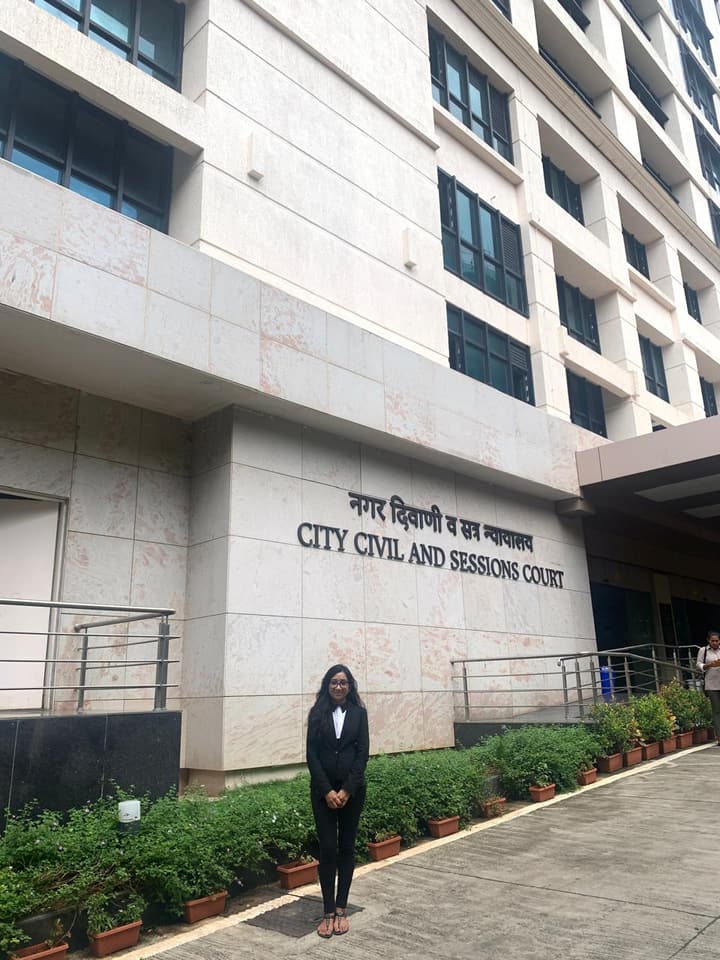
- Name
- Adv. Prisca Fernandes
- Enrolment
- Bar Council of Maharashtra & Goa
- Qualifications
- B.S.L., LL.B., ILS Law College, Pune
- Courts
- Family Courts (Bandra, Thane, Vasai) · City Civil & Sessions Court · Consumer Commissions · District Courts
- Languages
- English, Hindi
- Office
- Kandivali West, Mumbai, Maharashtra
Areas of practice
Mutual consent divorce
S.13B · Hindu Marriage Act, 1955
Divorce by joint petition where both spouses agree to separate.
More
A divorce by joint petition under Section 13B of the Hindu Marriage Act, 1955, or the corresponding provisions of the Special Marriage Act, 1954 and other personal laws, where both spouses agree to separate and settle questions such as alimony, custody and jointly held property.
Contested divorce
S.13 · Hindu Marriage Act, 1955
Divorce sought by one spouse on grounds recognised by law.
More
A divorce petition under Section 13 of the Hindu Marriage Act, 1955, or the parallel provisions of the Special Marriage Act, 1954, the Divorce Act, 1869 and the Parsi Marriage and Divorce Act, 1936, on grounds such as cruelty or desertion.
Divorce under the Special Marriage Act
Ss.27–28 · Special Marriage Act, 1954
Divorce for marriages solemnised or registered under the Special Marriage Act.
More
The Special Marriage Act, 1954 governs civil marriages, including inter-faith marriages, irrespective of religion. Section 28 provides for divorce by mutual consent and Section 27 for divorce on the grounds it specifies.
Restitution of conjugal rights
S.9 · Hindu Marriage Act, 1955
A petition seeking resumption of cohabitation after one spouse has withdrawn from it.
More
A petition under Section 9 of the Hindu Marriage Act, 1955 (or Section 22 of the Special Marriage Act, 1954) where one spouse has withdrawn from the society of the other without reasonable excuse.
Child custody and guardianship
Guardians and Wards Act, 1890 · S.26 HMA
Custody, access and guardianship of minor children, including interim arrangements.
More
Custody, access and guardianship under the Guardians and Wards Act, 1890, the Hindu Minority and Guardianship Act, 1956 and Section 26 of the Hindu Marriage Act, 1955. Courts decide these questions on the basis of the welfare of the child.
Alimony and maintenance
Ss.24–25 HMA · S.144 BNSS (formerly S.125 CrPC)
Interim and permanent maintenance for a spouse under the HMA; maintenance for a spouse, children or parents under BNSS s.144.
More
Interim maintenance (Section 24) and permanent alimony (Section 25) under the Hindu Marriage Act, 1955, for a spouse in proceedings under that Act. Separately, Section 144 of the Bharatiya Nagarik Suraksha Sanhita, 2023 (formerly Section 125 of the Code of Criminal Procedure, 1973) provides a summary remedy for maintenance of a wife, children and parents, irrespective of religion.
Domestic violence
Protection of Women from Domestic Violence Act, 2005
Protection, residence and monetary reliefs under the PWDVA.
More
Applications under the Protection of Women from Domestic Violence Act, 2005 for protection, residence, monetary, custody and compensation orders, heard by the Magistrate.
Cruelty and dowry matters
Ss.85–86 BNS (formerly S.498A IPC) · Dowry Prohibition Act, 1961
Proceedings relating to cruelty and dowry demands, for complainants and accused persons.
More
Proceedings under Sections 85 and 86 of the Bharatiya Nyaya Sanhita, 2023 (formerly Section 498A of the Indian Penal Code) and the Dowry Prohibition Act, 1961, including bail applications.
Court marriage
Special Marriage Act, 1954
Notice of intended marriage, the 30-day notice period, solemnisation and registration.
More
Marriage under the Special Marriage Act, 1954: notice of intended marriage to the Marriage Officer, the 30-day period for objections, the required declarations, and solemnisation and registration.
Money recovery
Order XXXVII · Code of Civil Procedure, 1908
Civil and summary suits for money due under loans, contracts and invoices.
More
Suits for recovery of money, including summary suits under Order XXXVII of the Code of Civil Procedure, 1908, from the demand notice through trial, decree and execution.
Cheque dishonour
S.138 · Negotiable Instruments Act, 1881
Demand notice, complaint and trial for a dishonoured cheque.
More
Proceedings under Section 138 of the Negotiable Instruments Act, 1881: the statutory demand notice within 30 days of receiving information from the bank that the cheque was dishonoured, the complaint before the Magistrate, and trial or compounding. For complainants and accused persons.
Consumer complaints
Consumer Protection Act, 2019
Complaints before the District, State and National Consumer Commissions.
More
Complaints under the Consumer Protection Act, 2019 concerning deficiency in service, defective goods, builder disputes, e-commerce and banking, before the Commission that has pecuniary jurisdiction.
Wills
Indian Succession Act, 1925
Drafting, execution and registration of Wills.
More
A Will records how a person’s property is to be distributed after their death. Work includes drafting, execution and attestation, and optional registration under the Registration Act, 1908.
Gift deeds
Ss.122–123 · Transfer of Property Act, 1882
Gift deeds for movable and immovable property, with stamp duty and registration.
More
A gift is a voluntary transfer of existing property without consideration, accepted by the donee during the donor’s lifetime (Section 122, Transfer of Property Act, 1882). A gift of immovable property must be made by a registered instrument (Section 123). Stamp duty in Maharashtra is governed by the Maharashtra Stamp Act.
Powers of attorney
Powers of Attorney Act, 1882
General and special powers of attorney, including for persons living outside India.
More
General and special powers of attorney for property, banking and litigation, with attestation and registration where required, including for persons living outside India.
Request a consultation
Sending a request does not create a lawyer–client relationship. A matter is taken up only after a consultation, once terms are agreed. Please do not send confidential details through this form.
Send a request
Give your contact details and the general nature of the matter. Please do not include confidential details or documents.
Confirmation
You will be contacted on the phone number or email you provide to confirm the date and time.
Consultation
The first consultation is held by phone call. The details of the matter are discussed on the call.
Practical questions
Does sending a request mean my matter has been accepted?
No. A request only asks for a consultation. A lawyer–client relationship arises only after a consultation, once terms are agreed.
In which languages are consultations held?
English and Hindi.
How is the first consultation held?
Always by phone call. When the date and time are confirmed, you receive the call details. If a meeting in person is needed later, it can be arranged then.
What should I keep ready?
A short timeline of events and any notices, orders or agreements you have received. Please share documents only after the consultation is confirmed.
When are requests reviewed?
During consultation hours: Monday to Saturday, 10:00 to 19:00 IST.
How is my information handled?
Details sent through this website are used only to respond to your request, as explained in the privacy notice. Please do not send confidential details before a consultation.
Contact
For a first enquiry, the form or WhatsApp may be used. For matters already in progress, please use email.
WhatsApp and email messages pass through third-party services (Meta, email providers). Please do not include confidential details.
Location
Kandivali West, Mumbai, MaharashtraPhone
Hours
Monday to Saturday, 10:00 – 19:00 IST